Blackjack / Cedar Grove, Logan, OH
Is Blackjack / Cedar Grove a Safe Place to Live? Housing, Crime & Buyer Guide
Explore safety, home prices, commute patterns, and neighborhood insights in Logan, OH - so you can decide with confidence before buying or renting.
Most buyers only see the home. Smart buyers check the neighborhood first.
Crime Summary:
Crime Overview (last 12 months)
Severe0
Medium0
Low0
Other0
2 Registered Offenders Nearby
Rape0
Child involved0
Assault0
Other2
Median Home Price
$188,349
Average Rent
$1,468
Vacancy Rate
13.2%
Nearby neighborhoods
Overview
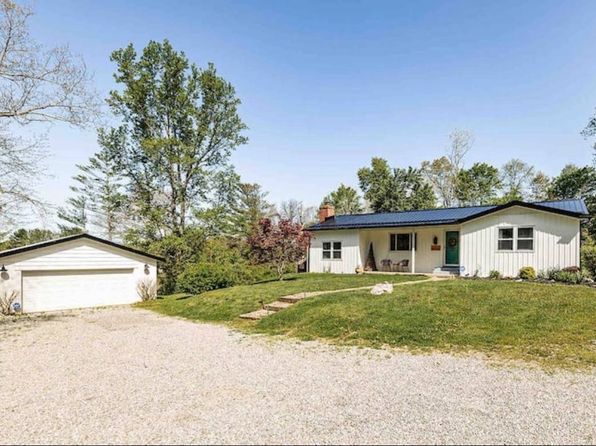
Blackjack / Cedar Grove is a remote neighborhood in Logan, Ohio with low population density and a quiet environment.
Housing consists mainly of medium to small single-family homes and mobile homes, many built between 1970 and 1999.
Quiet NeighborhoodHigh Vacancy RateManufacturing Workforce
Quick Facts
| Population Density | 29 residents per square mile |
|---|
Housing market and real estate character
Blackjack / Cedar Grove offers affordable housing with a notable vacancy rate.
| Median Home Price | 188349 |
|---|---|
| Average Rent | 1468 |
| Vacancy Rate | 13.2 |
| Housing Age | Many homes built between 1970 and 1999 |
| Owner Occupied Rate |
What buyers will notice right away
Median home prices and rents are below average for Ohio.
Vacancy rate is elevated, possibly indicating weak demand or new construction.
Families & Lifestyle
The neighborhood has a strong manufacturing and laborer workforce with a moderate income profile.
Occupational diversity supports a balanced community.
Childhood poverty rate is lower than 61.6% of U.S. neighborhoods.
Blue-Collar Workforce — Dominated by manufacturing and laborer jobs.
Moderate Income — Income higher than 40.2% of U.S. neighborhoods.
| Manufacturing & Laborer Occupations | 42.5% |
|---|---|
| Executive, Management & Professional Occupations | 28.0% |
Demographics
| College Degree Rate | 7.4 |
|---|---|
| Top Languages | English (99.1%), Italian (4.2%) |
| Top Ancestries | German (24.8%), Irish (19.7%), English (11.8%), Dutch (5.5%), Scottish (2.5%) |
Commute
Most residents drive alone with a short commute time.
Residents rely heavily on private vehicles with short commute times.
Very High Drive Alone Rate — 93.2% of commuters drive alone, among the highest nationally.
Short Commutes — Nearly one-third commute between 15 and 30 minutes.
| Drive Alone Rate | 93.2 |
|---|---|
| Main Commute Time | 15 to 30 minutes |
Homes for sale near 45622
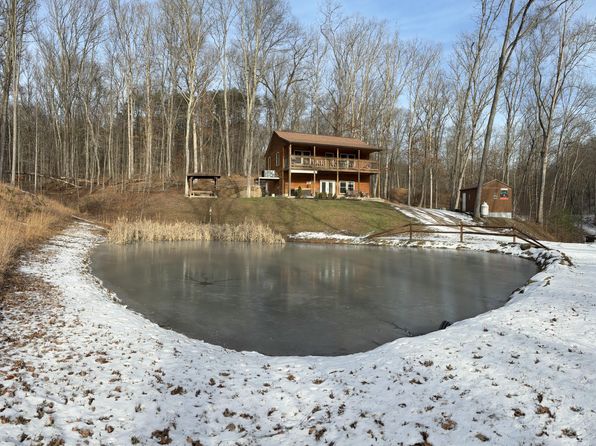
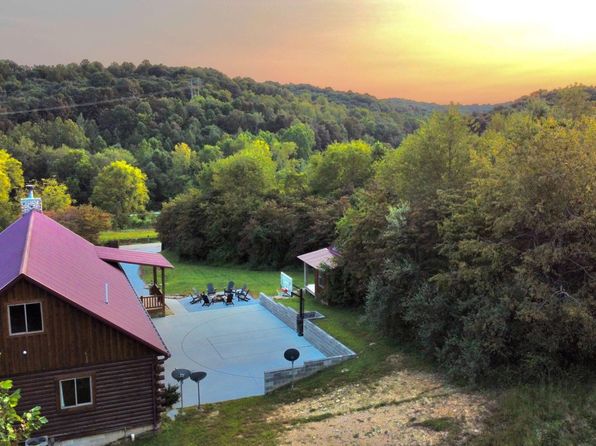
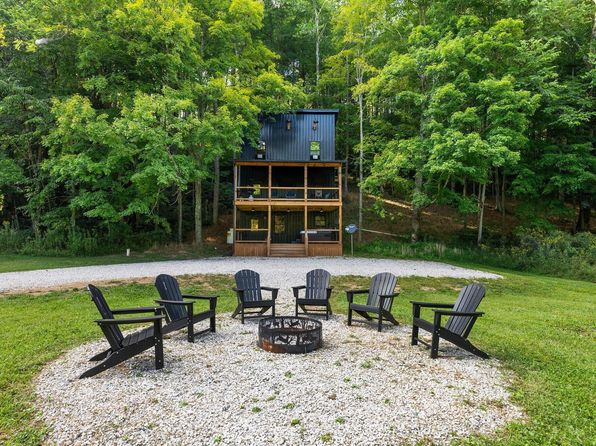
For-sale listings in this zip code. Open a property in HoodScore to run a safety report.
Frequently Asked Questions
What is the median home price in Blackjack / Cedar Grove?
The median home price is $188,349, less expensive than 66.6% of Ohio neighborhoods.
How common is manufacturing employment here?
42.5% of workers are employed in manufacturing or laborer jobs, higher than 95.9% of U.S. neighborhoods.